 Stipendium Hungaricum
 Course hub
Study Life Sciences Abroad
Life sciences combine lab work with research. Graduate programmes often come with funded research positions.
 Universities
 Best countries
 Scholarships
 What you’ll study
 Is it right for you?
It suits you if you enjoy lab work and research, and may want a PhD later.
 Typical entry requirements
A bachelor’s in biology, biotech or a related science. IELTS 6.5 is typical.
Top Universities For Life Sciences
Tier-1 first. Each profile has costs, how to apply and scholarships.
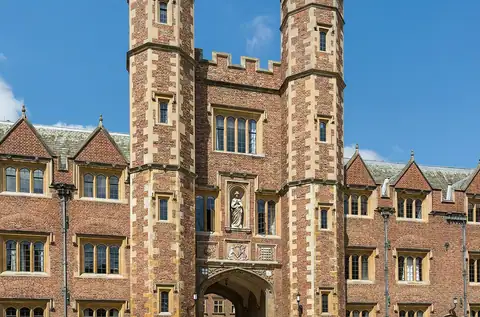 TIER 1
 University of Cambridge
 CambridgeSciences & engineering
 TIER 1
 Ithaca, NYAgriculture
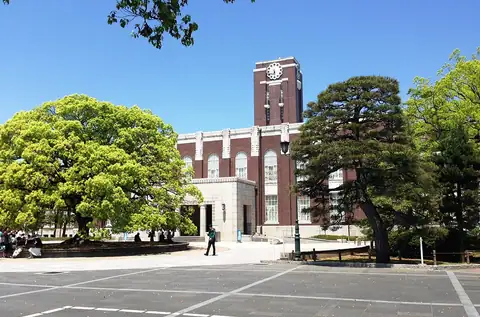 TIER 1
 Kyoto University
 KyotoSciences
 TIER 1
 University of TokyoTokyoSciences
 TIER 1
 Heidelberg University
 HeidelbergMolecular biology
 TIER 1
 Humboldt University of BerlinBerlinSocial sciences
 TIER 1
 BeijingSciences
 TIER 1
 University of Copenhagen
 CopenhagenLife sciences
Best Countries For Life Sciences
Yearly cost in rupees (tuition + living, rough estimate) and work rights after study.
 Germany
Rs 35 lakh – Rs 1.1 crore a year
Work: Limited work hours; 18-month job-search permit after graduation.
 USA
USARs 76 lakh – Rs 1.9 crore a year
Work: On-campus work only at first; OPT after graduation (longer for STEM).

 Sweden
Rs 53 lakh – Rs 92 lakh a year
Work: Work allowed alongside study; job-search permit after graduation.
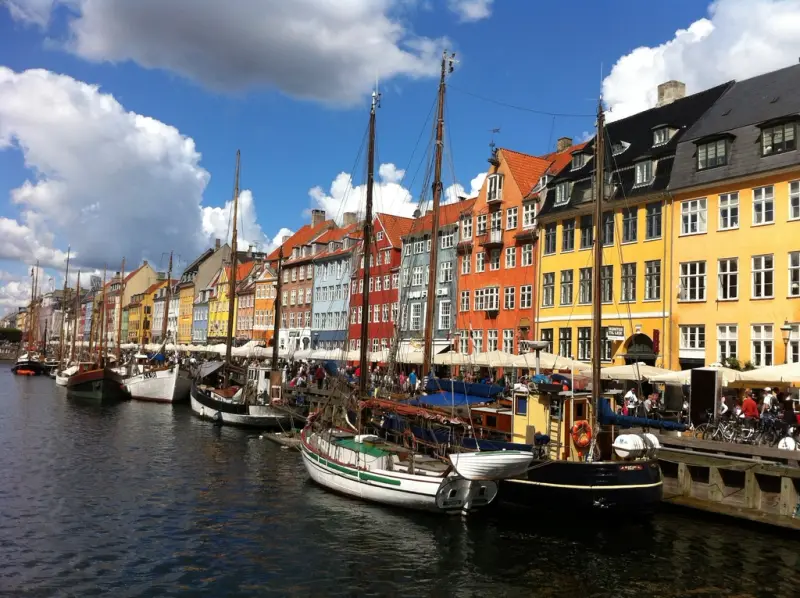 Denmark
Rs 59 lakh – Rs 1 crore a year
Work: Part-time work; job-search period after graduation.
 Netherlands
Rs 62 lakh – Rs 1.1 crore a year
Work: Limited hours in term; one-year “orientation year” after graduation.
Scholarships For Life Sciences Students
Commonwealth PhD ScholarshipsPhD · HEC call in summer; CSC deadline in October.FULLY FUNDEDGraduate research & teaching assistantshipsMaster’s · PhD · With your graduate application, usually December–January.FULLY FUNDEDGoogle PhD FellowshipPhD · Varies by region. Trudeau Foundation Doctoral ScholarshipsPhD · Usually autumn, via the university.FULLY FUNDEDBanting Postdoctoral FellowshipsPostdoc · Usually autumn.FULLY FUNDED
 Research Training Program (RTP) ScholarshipsMaster’s · PhD · Via each university, often August–October.FULLY FUNDEDMelbourne Graduate Research ScholarshipsPhD · Usually autumn.FULLY FUNDEDUniversity of Sydney International ScholarshipPhD · Rounds through the year.FULLY FUNDED
 Swiss Government Excellence ScholarshipsPhD · Postdoc · Usually autumn to December.FULLY FUNDED“la Caixa” INPhINIT Doctoral FellowshipsPhD · Usually autumn.FULLY FUNDED
Careers After Life Sciences
 Research scientist
 Lab analyst
 Biotech associate
 Environmental consultant



Studying Life Sciences Abroad: FAQs
01What are the entry requirements to study Life Sciences abroad?
A bachelor’s in biology, biotech or a related science. IELTS 6.5 is typical.
02Which country is best for Life Sciences?
Germany, USA, Sweden are strong choices for Life Sciences, but the best one depends on your budget, grades and career plans.
03Which universities are best for Life Sciences?
Universities known for life sciences include University of Cambridge, Cornell University, Kyoto University, University of Tokyo, Heidelberg University.
04Are there scholarships for Life Sciences?
Yes. Options include Commonwealth PhD Scholarships, Graduate research & teaching assistantships, Google PhD Fellowship, Trudeau Foundation Doctoral Scholarships.
05Which tests do I need for Life Sciences?
Most programmes need an English test (IELTS); many competitive programmes also ask for the GRE.
06Is Life Sciences right for me?
It suits you if you enjoy lab work and research, and may want a PhD later.
Free consultation
Want to study Life Sciences? Let’s build your shortlist.
30 minutes, no fee, no obligation. In our Lahore office or on WhatsApp video.
- ReplyWithin one working day
- Since2009
- Students2,500+ advised

 Book your free session
We only use your number to reply to you.